Elbow Ligament Reconstruction Surgery in san antonio
From hand tendonitis to complete tendon tears, our board-certified hand specialists diagnose and treat every type of hand tendon damage, offering both non-surgical treatment and advanced surgical repair.
-
100+
Years Collective Experience
-
4
Board-Certified Surgeons
-
1-2 hrs
Typical Surgery Duration
-
Non-Surgical First
When Clinically Appropriate
Understanding Your Injury
What Is the Ulnar Collateral Ligament?
The ulnar collateral ligament, or UCL, is a band of tissue on the inside of the elbow that connects the upper arm bone to one of the forearm bones. It's the primary stabilizer against the stress placed on the elbow during repetitive overhead throwing motions, which is why UCL injuries are most common in baseball pitchers and other overhead-throwing athletes, though they can also result from a fall or direct trauma to the elbow.
When the UCL is stretched, partially torn, or completely ruptured, the elbow can become unstable, painful, and unable to withstand the forces required for throwing or heavy lifting.
What Causes a UCL Injury?
A UCL injury can happen suddenly from trauma or develop gradually from repeated stress on the inside of the elbow.
Repetitive Throwing - Repeated overhead motions can place ongoing stress on the UCL, especially in baseball and other throwing sports.
Acute Trauma - A fall, collision, or forceful movement of the elbow can overstretch or tear the ligament.
Overuse - Frequent throwing or repetitive arm activity without adequate recovery can gradually weaken the ligament.
Poor Throwing Mechanics - Improper technique can increase stress across the inner elbow and contribute to ligament injury.
Previous Elbow Injury - Prior ligament damage or instability may increase the risk of future UCL problems.

Signs and Symptoms of a UCL Injury:
Pain Along the Inside of the Elbow
Pain During Throwing or Overhead Activity
Tenderness or Swelling
A Popping Sensation at the Time of Injury
Decreased Throwing Velocity or Control
Feeling of Elbow Instability
Numbness or Tingling in the Ring or Pinky Finger
When Is ELBOW LIGAMENT
Surgery Needed?
Elbow ligament surgery may be recommended when a ligament is completely torn, causes persistent instability, or does not improve with non-surgical treatment. For UCL injuries, surgery may be considered when symptoms continue to interfere with sports, work, or daily activities.
Your elbow specialist may consider:
Whether the ligament is partially or completely torn
The degree of elbow instability
Your activity level and goals
Response to rest, bracing, and physical therapy
When surgery is recommended, the goal is to restore stability and help you safely return to activity.
How Long Does UCL Reconstruction Surgery Take?
UCL reconstruction, commonly known as Tommy John surgery, typically takes about one to two hours. The exact length of surgery can vary depending on the severity of the ligament damage, the surgical approach, and whether other areas of the elbow need to be addressed.
During the procedure, the damaged UCL is reconstructed using a tendon graft that serves as a new ligament and helps restore stability along the inside of the elbow. UCL reconstruction is generally performed as an outpatient procedure, so most patients are able to return home the same day.
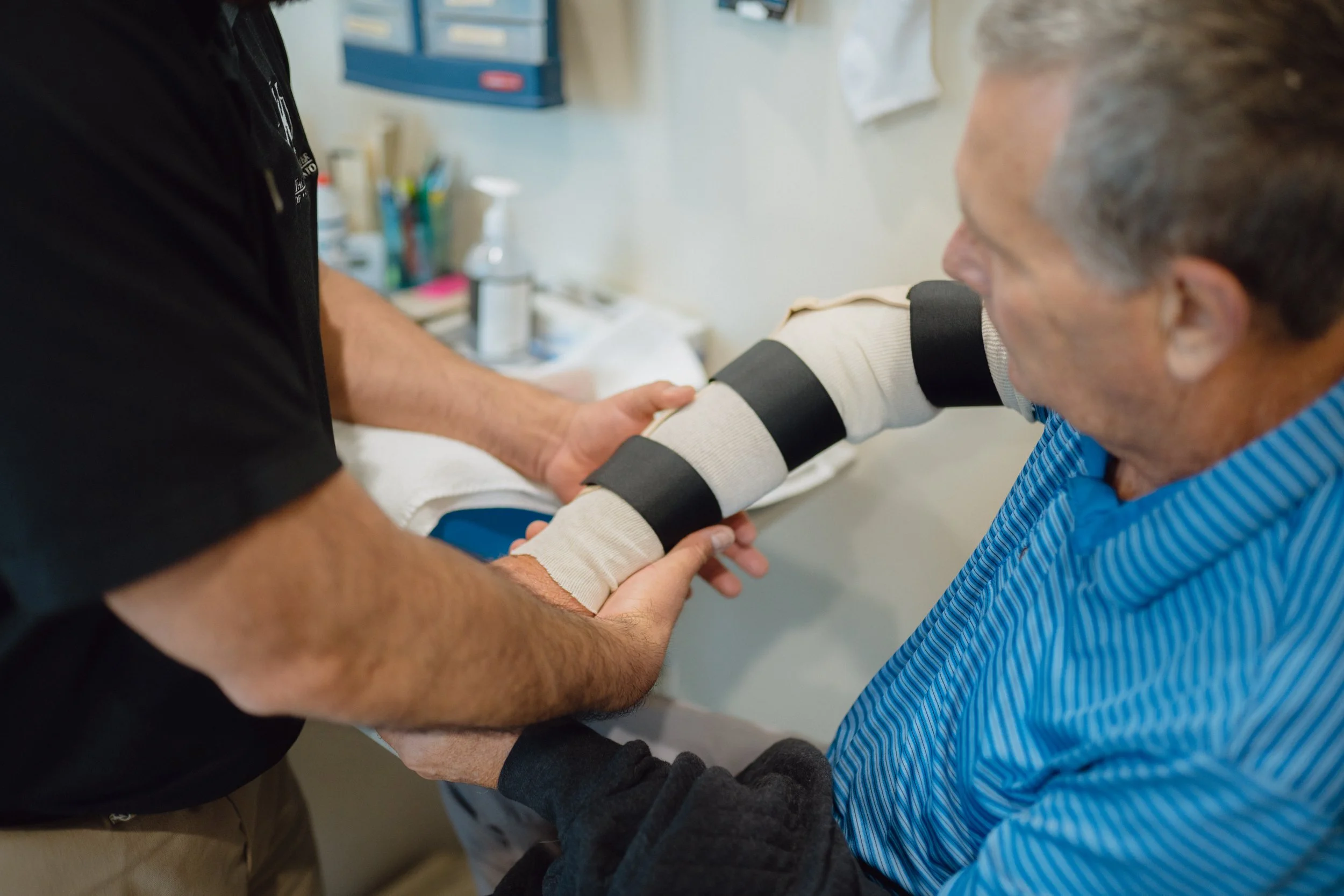
Following surgery, the elbow is protected in a splint or brace while healing begins. A structured rehabilitation program then gradually works to restore range of motion, strength, and stability before progressing toward work, sports, throwing, and other higher-level activities.
What Happens During Hand Tendon Surgery?
One | Evaluation & Imaging
A physical exam and imaging, such as X-rays or MRI, help confirm the location and severity of the ligament injury.
Two | Repair or Reconstruction
The damaged ligament is repaired when possible or reconstructed with a tendon graft to restore elbow stability.
Three | BRACING & PROTECTION
After surgery, the elbow is protected in a splint or brace to support healing and limit stress on the repaired ligament.
FOur | Guided Rehabilitation
Physical therapy gradually restores motion, strength, and stability for a safe return to activity.

Meet your Elbow Specialist
Dr. Ramesh Srinivasan
Dual Fellowship-Trained in Hand, Upper Extremity, Shoulder & Elbow Surgery
Dr. Ramesh Srinivasan specializes in conditions and injuries affecting the elbow, shoulder, hand, and wrist, with advanced training in both hand and upper extremity surgery. His experience includes the treatment of elbow ligament injuries, sports-related conditions, minimally invasive procedures, and joint reconstruction.
He works with each patient to determine the most appropriate treatment based on the injury, activity level, and long-term goals, with a focus on restoring strength, stability, and function.
why come to The Hand and Upper Extremity Center of San Antonio for your Elbow Ligament Surgery?
When you visit us at The Hand and Upper Extremity Center of San Antonio, you will find a fine-tuned team ready to take care of you. Your physicians have over 100 years of collective experience and represent multiple generations and training backgrounds. In addition to your surgeons, you may meet one of our hand surgery fellows, each a fully trained orthopaedic or plastic surgeon who has chosen to spend an additional year studying hand & wrist surgery. From the front desk staff and medical assistants to our x-ray and cast technicians, every team member is committed to your care.
Don't Let Elbow Pain Limit You
Whether you’re dealing with a UCL injury, elbow instability, or a ligament tear that may require surgery, our specialists will build a treatment plan around your injury, activity level, and goals.
Frequently Asked Questions About Hand Tendon Surgery
-
Elbow ligament surgery is used to repair or reconstruct a damaged ligament when the elbow remains painful or unstable. One of the most common procedures is UCL reconstruction, often referred to as Tommy John surgery.
-
The most common ulnar collateral ligament injury symptoms are pain on the inside of the elbow, decreased throwing velocity or control, and a feeling of instability or looseness during arm motion. Some patients also notice tingling or numbness in the ring and little fingers, and many report a distinct pop at the moment of injury. Symptoms that appear during or right after throwing are a strong signal it's time for an evaluation.
-
A UCL injury is most often caused by the repetitive stress of overhead throwing, common in baseball, softball, and javelin athletes, though a sudden fall, direct trauma, or elbow dislocation can also tear the ligament. Some injuries develop gradually over years of high-stress arm motion rather than from a single event.
-
Ulnar collateral ligament reconstruction surgery typically takes one to two hours to perform. It's done as an outpatient procedure, so most patients go home the same day.
-
Yes, Tommy John surgery is the common name for ulnar collateral ligament reconstruction. The procedure replaces the damaged ligament with a tendon graft to restore elbow stability, and it's named after the first professional baseball pitcher to undergo it in 1974.
-
Full recovery from UCL reconstruction typically takes 9 to 12 months before returning to competitive throwing. Early recovery focuses on protecting the graft and restoring motion, followed by progressive strengthening and a structured throwing program in the later months.
-
Yes, a partial UCL tear or sprain can sometimes heal with rest, activity modification, and physical therapy alone. Surgery is generally reserved for complete tears, athletes returning to high-level throwing, or cases where conservative treatment hasn't resolved pain and instability.
-
An untreated UCL tear can lead to ongoing elbow instability, chronic pain, and a higher risk of further injury to the elbow joint. For throwing athletes, an unaddressed tear typically means a continued decline in throwing velocity and control until the ligament is evaluated and treated.
Meet Our Physicians
-
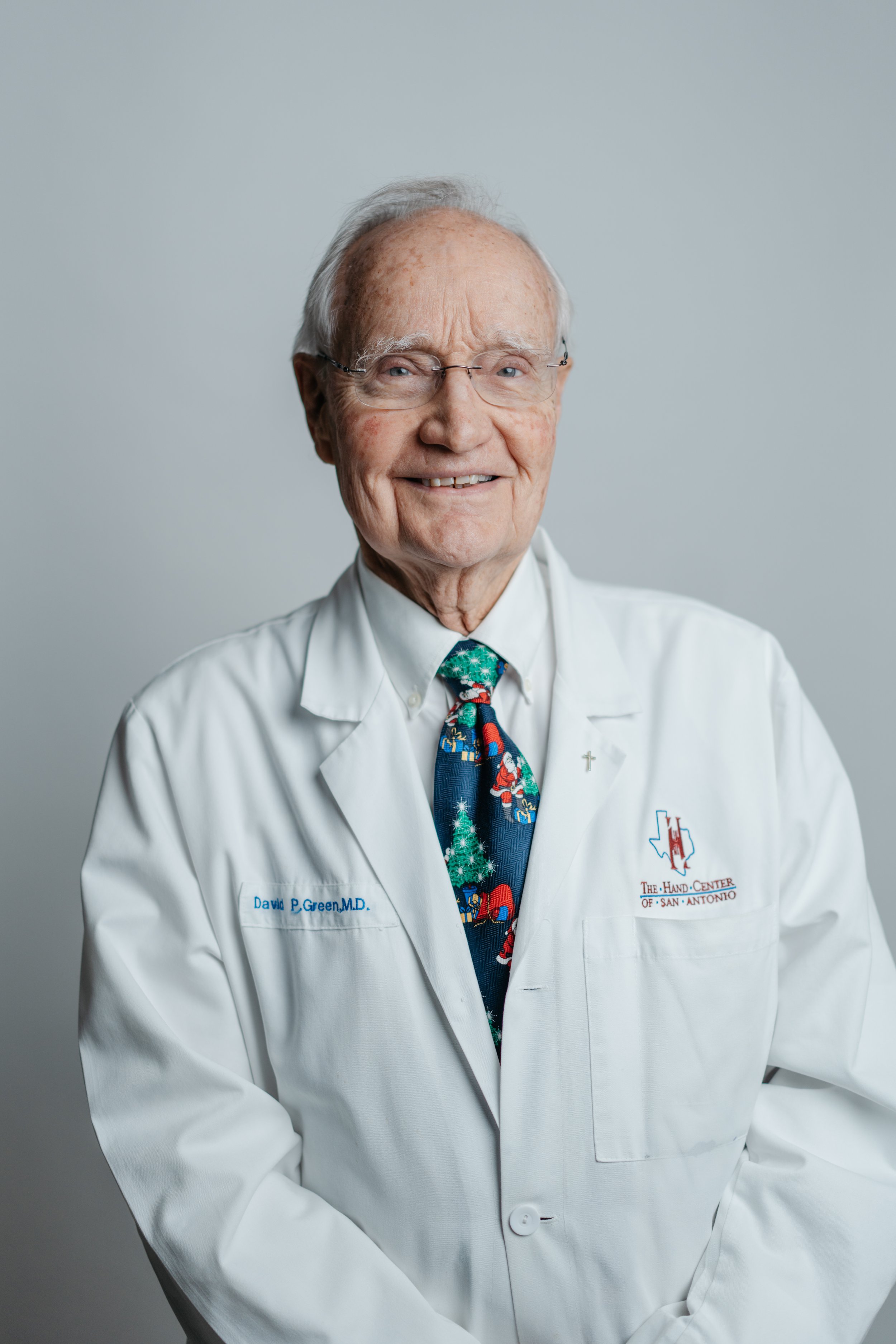
David P. Green, M.D.
-

Mark Bagg, M.D.
-

David W. Person, M.D., F.A.C.S.
-

Ramesh C. Srinivasan, M.D.

OTHER Elbow RELATED ISSUES WE CAN HELP WITH
Elbow Stiffness
Heterotopic Ossification
check out our latest blog posts regarding Elbow injuries