

Elbow pain can make even simple tasks, like lifting a coffee cup or typing on a keyboard, feel uncomfortable or even impossible. In many cases, elbow tendonitis can be managed with rest, therapy, and non-surgical treatments. But for some, the pain lingers, limits movement, and affects daily life. So how do you know when it’s time to consider elbow tendonitis surgery?
At the Hand & Upper Extremity Center of San Antonio, our fellowship-trained team specializes in diagnosing and treating conditions like elbow tendonitis. If conservative treatments haven't worked for you, this blog will help you recognize the signs that tendonitis elbow surgery may be the next step.
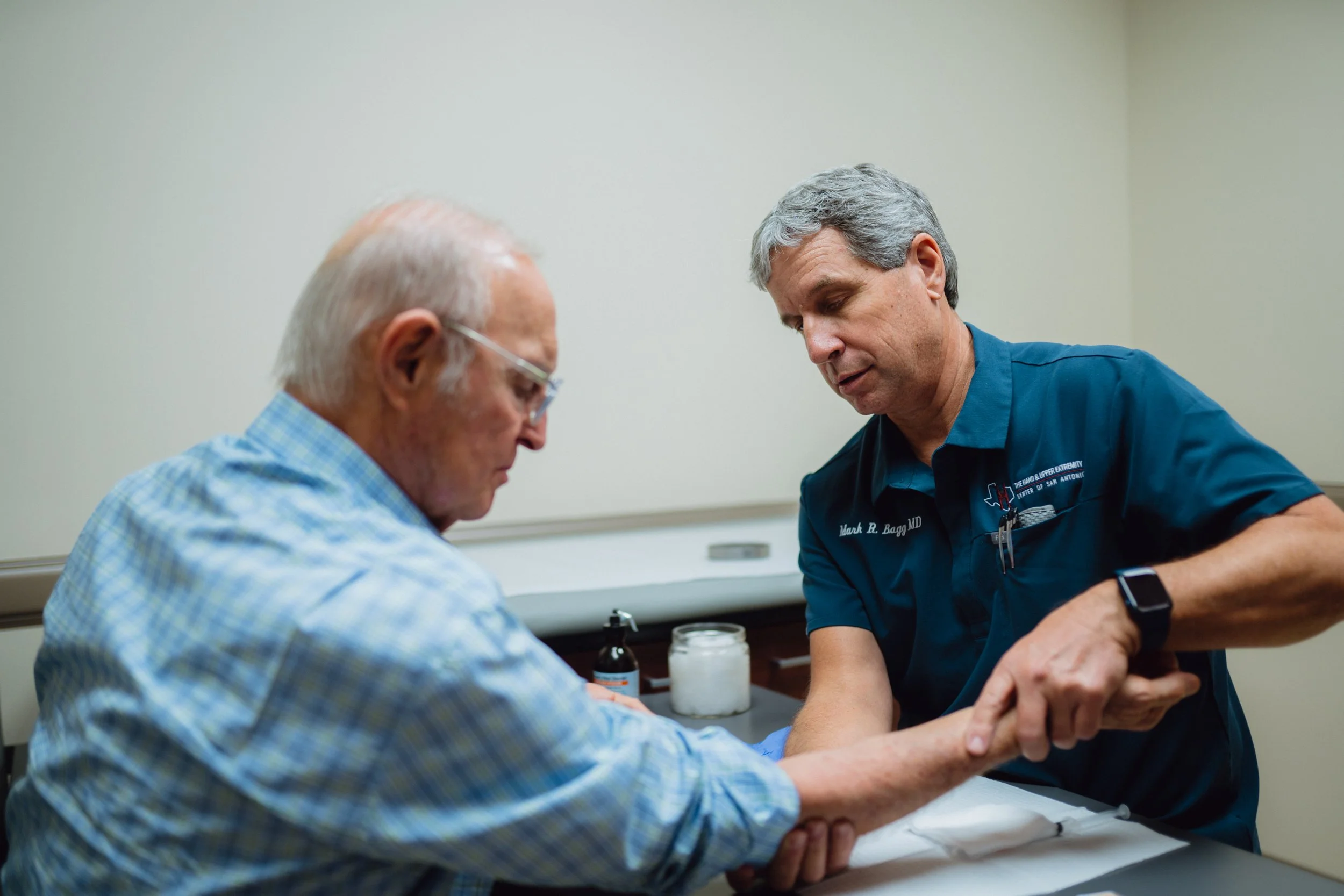
Understanding Elbow Tendonitis
Elbow tendonitis is inflammation or damage to the tendons that connect muscles to bone at the elbow joint. The two most common types are:
Lateral Epicondylitis (Tennis Elbow): Affects the outer part of the elbow
Medial Epicondylitis (Golfer’s Elbow): Affects the inner part of the elbow
Both are caused by overuse, repetitive motion, or strain, often from work, sports, or daily activity.
Most cases improve with:
Rest
Ice and anti-inflammatory medication
Bracing or activity modification
Injections (such as corticosteroids or platelet-rich plasma)
But when pain persists after several months of non-surgical treatment, it may be time to talk to an elbow specialist in San Antonio about your options.
Signs You May Need Elbow Tendonitis Surgery
While not everyone with elbow tendonitis needs surgery, here are some key signs it might be necessary:
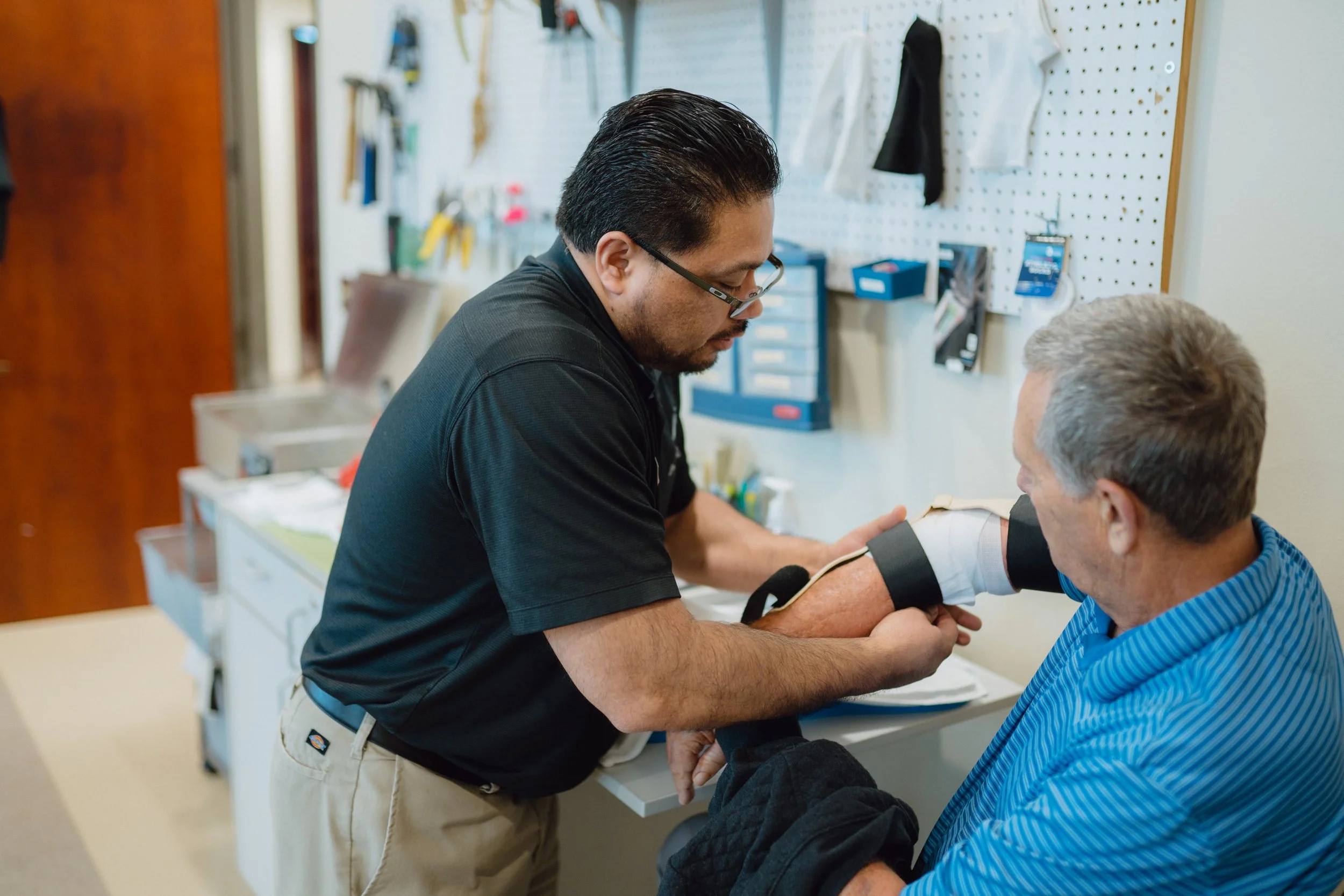
1. Pain Lasting 6 Months or More
If you've tried physical therapy, bracing, medications, and activity changes, but still have pain, it may indicate chronic tendon damage that won’t heal without surgical repair.
2. Loss of Strength
Do you notice weakness when gripping, lifting, or using your arm? Significant loss of strength is a red flag that your tendon may be torn or degenerating, and it may require surgical treatment to restore function.
3. Severe Pain That Interferes with Daily Life
When pain limits your ability to work, play sports, or enjoy everyday activities, even after trying conservative care, it’s time to consider advanced options like elbow tendonitis surgery.
4. Visible Swelling or Thickening Around the Elbow
Chronic tendon damage may cause swelling or a noticeable bump near the elbow joint. This can be a sign of tendon degeneration, scarring, or calcium deposits that might need surgical removal.
5. Failure of Non-Surgical Treatments
Surgery is usually only considered after all other treatments have been tried. If you've had injections, therapy, and medications without success, surgery may offer long-term relief.
What to Expect from Tendonitis Elbow Surgery
If non-surgical treatments haven’t relieved your pain, tendonitis elbow surgery may offer a long-term solution. During the procedure, your surgeon will carefully remove any damaged or degenerated portions of the tendon. Healthy tendon tissue is then reattached to the bone to restore strength and function. In some cases, the bone surface around the tendon is gently cleaned to reduce ongoing irritation and support better healing.
Elbow tendonitis surgery is often performed on an outpatient basis, meaning you can go home the same day. Many patients benefit from minimally invasive techniques that reduce scarring and speed up recovery. After surgery, you’ll begin a guided rehabilitation plan that may include a short period of rest, followed by physical therapy to help rebuild strength, improve flexibility, and get you back to your normal activities with confidence.
If elbow pain is holding you back, don’t wait. Contact our team today to schedule an appointment with an experienced elbow specialist in San Antonio and find out if elbow tendonitis surgery is the right solution for your recovery.

Get Expert Care from an Elbow Specialist in San Antonio
At The Hand & Upper Extremity Center of San Antonio, we understand how frustrating ongoing elbow pain can be. Our team of fellowship-trained surgeons is experienced in both non-surgical and surgical treatment of elbow tendonitis. If you're wondering whether tendonitis elbow surgery is right for you, we’re here to help.