

Elbow pain Experts in san antonio
What Is Elbow Pain?
Elbow pain refers to discomfort, soreness, stiffness, or inflammation around the elbow joint and surrounding structures. The elbow is a complex joint made up of bones, tendons, ligaments, muscles, and nerves that work together to allow movement in the arm and hand. When one of these structures becomes irritated or injured, it can lead to pain that affects daily activities like lifting, gripping, typing, exercising, or even simple movements.
Elbow pain can develop gradually from repetitive motion or occur suddenly after an injury or fall. Some conditions may also cause numbness, tingling, or weakness that extends into the forearm, hand, or fingers.
common causes of Elbow pain:
Several conditions and injuries can lead to elbow pain, including:
Tennis Elbow - Also known as lateral epicondylitis, tennis elbow is caused by overuse of the tendons on the outside of the elbow. It commonly affects athletes, workers, and individuals who perform repetitive gripping or wrist motions.
Golfer’s Elbow - Golfer’s elbow affects the tendons on the inside of the elbow and is often related to repetitive wrist flexion, lifting, or throwing activities.
Cubital Tunnel Syndrome - This condition occurs when the ulnar nerve becomes compressed near the elbow, often causing numbness and tingling in the ring and small fingers.
Arthritis - Arthritis in the elbow can lead to pain, swelling, stiffness, and decreased motion over time.
Bursitis - Inflammation of the fluid-filled sac near the elbow can cause swelling, tenderness, and discomfort.
Fractures and Injuries - Falls, sports injuries, or trauma can result in fractures, dislocations, ligament injuries, or tendon tears around the elbow joint.
Activity modification
Bracing or splinting
Anti-inflammatory medications
Corticosteroid injections
Stretching and strengthening exercises
For more advanced or persistent conditions, surgical treatment may be recommended to repair damaged structures, relieve nerve compression, or restore joint function.
At The Hand & Upper Extremity Center of San Antonio, our team provides personalized treatment plans focused on reducing pain, improving mobility, and helping patients return to daily activities as safely and efficiently as possible.
It is essential to consult a doctor for an accurate diagnosis and appropriate treatment of elbow pain. When non-surgical treatments are not effective, surgery may be the necessary option to properly restore function to the elbow joint.
What Are Common Treatment Options for Elbow pain?
Treatment for elbow pain depends on the underlying cause, severity of symptoms, and how long the condition has been present. Many patients improve with conservative treatment options, including:
why come to The Hand and Upper Extremity Center of San Antonio for Elbow pain?
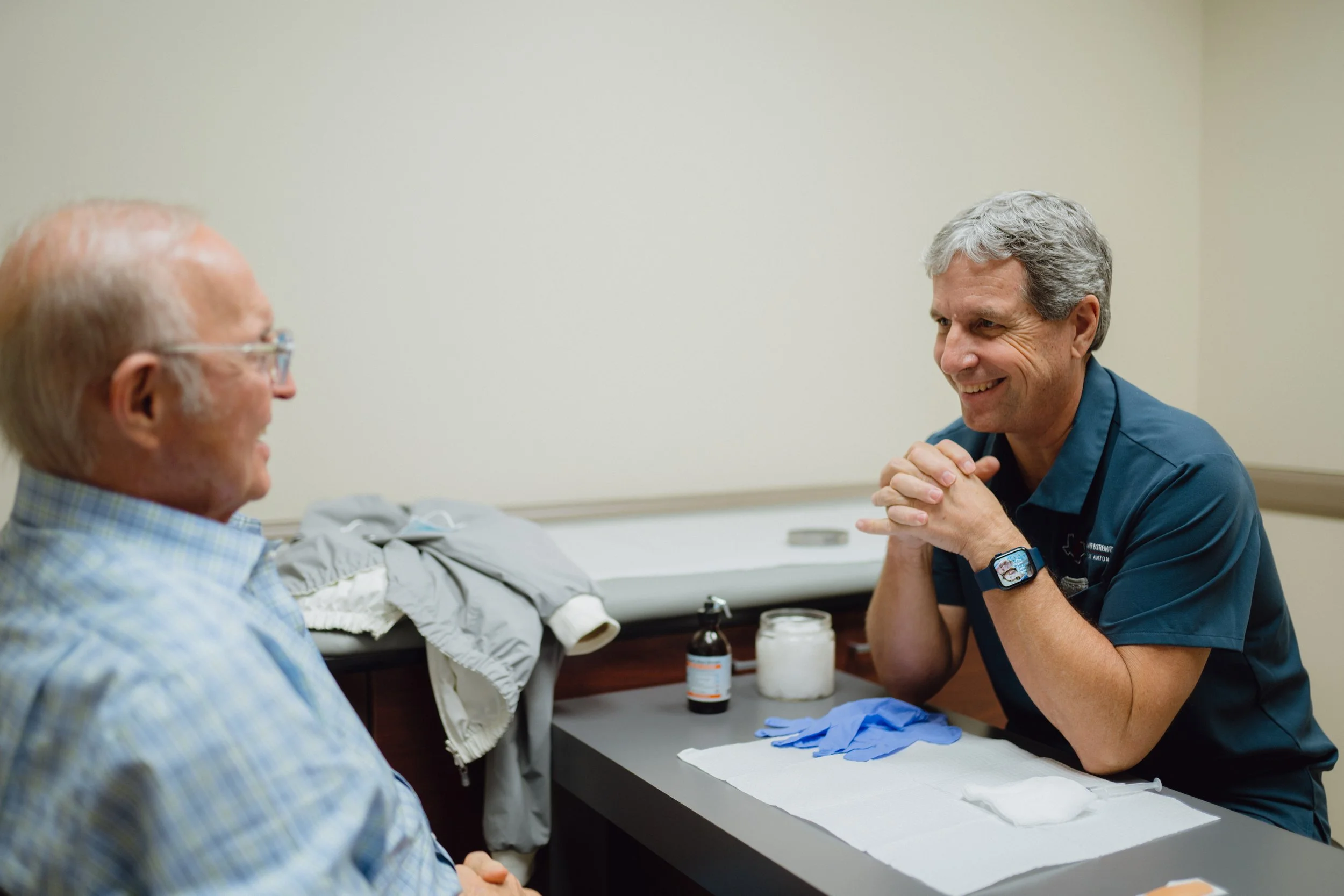
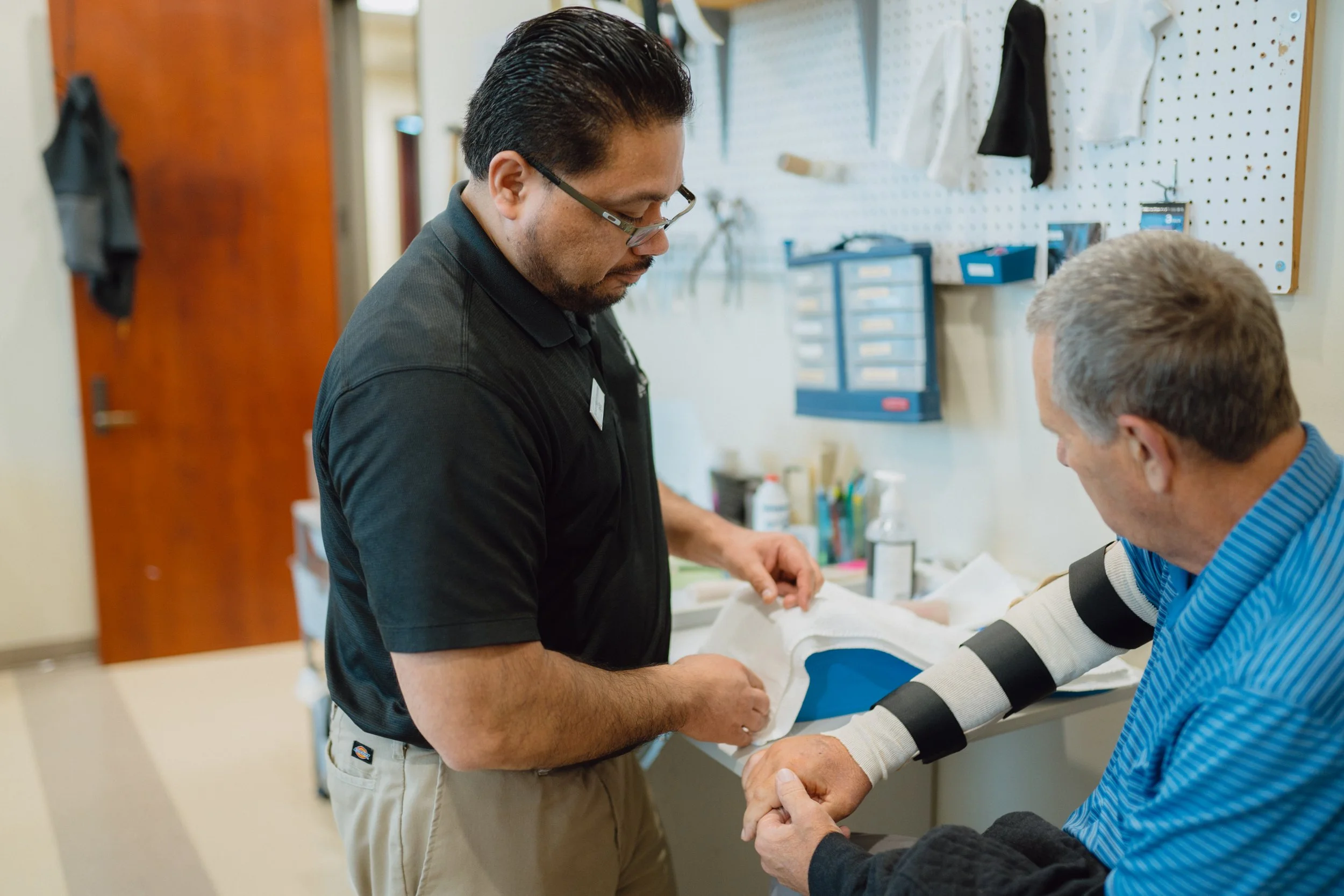
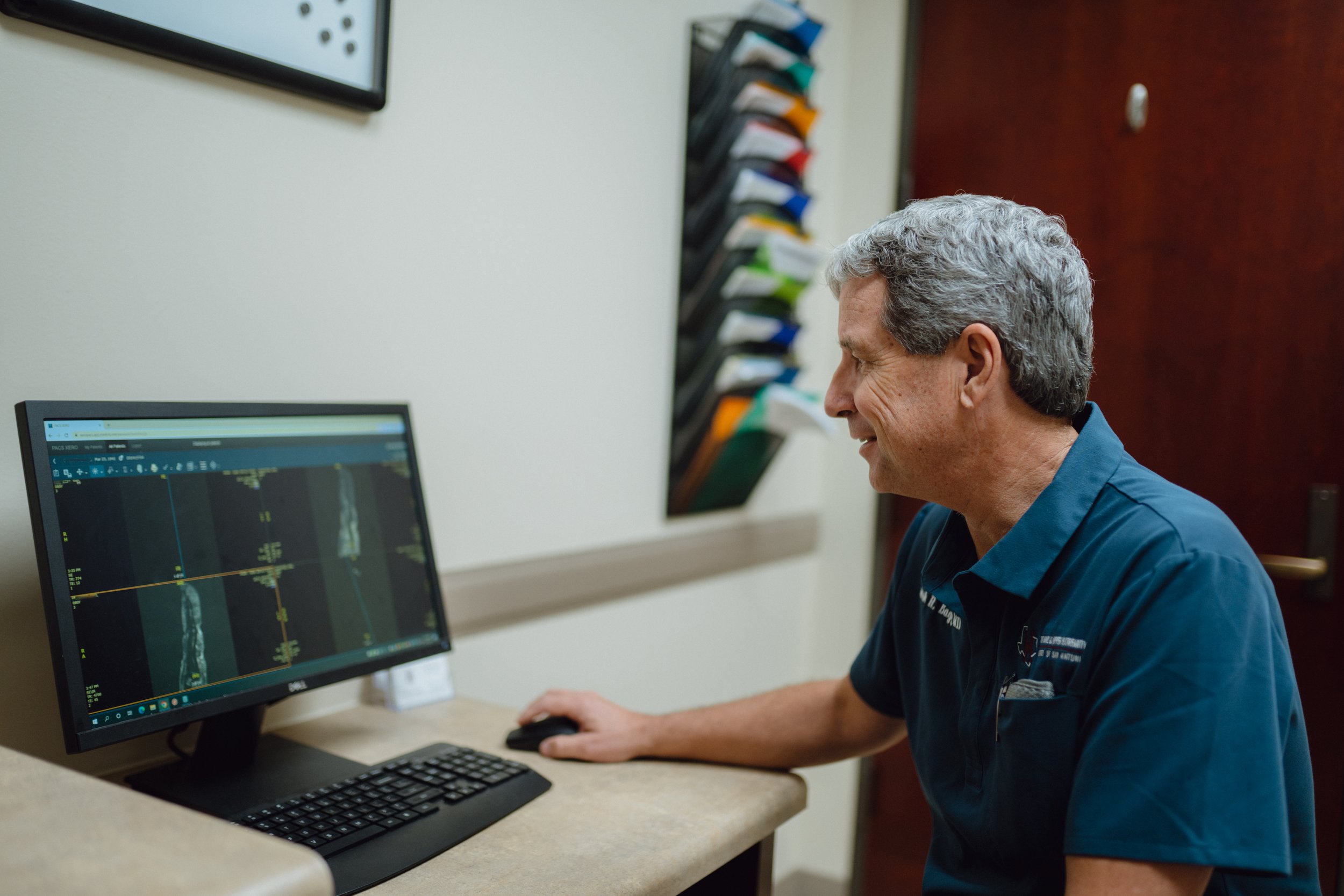
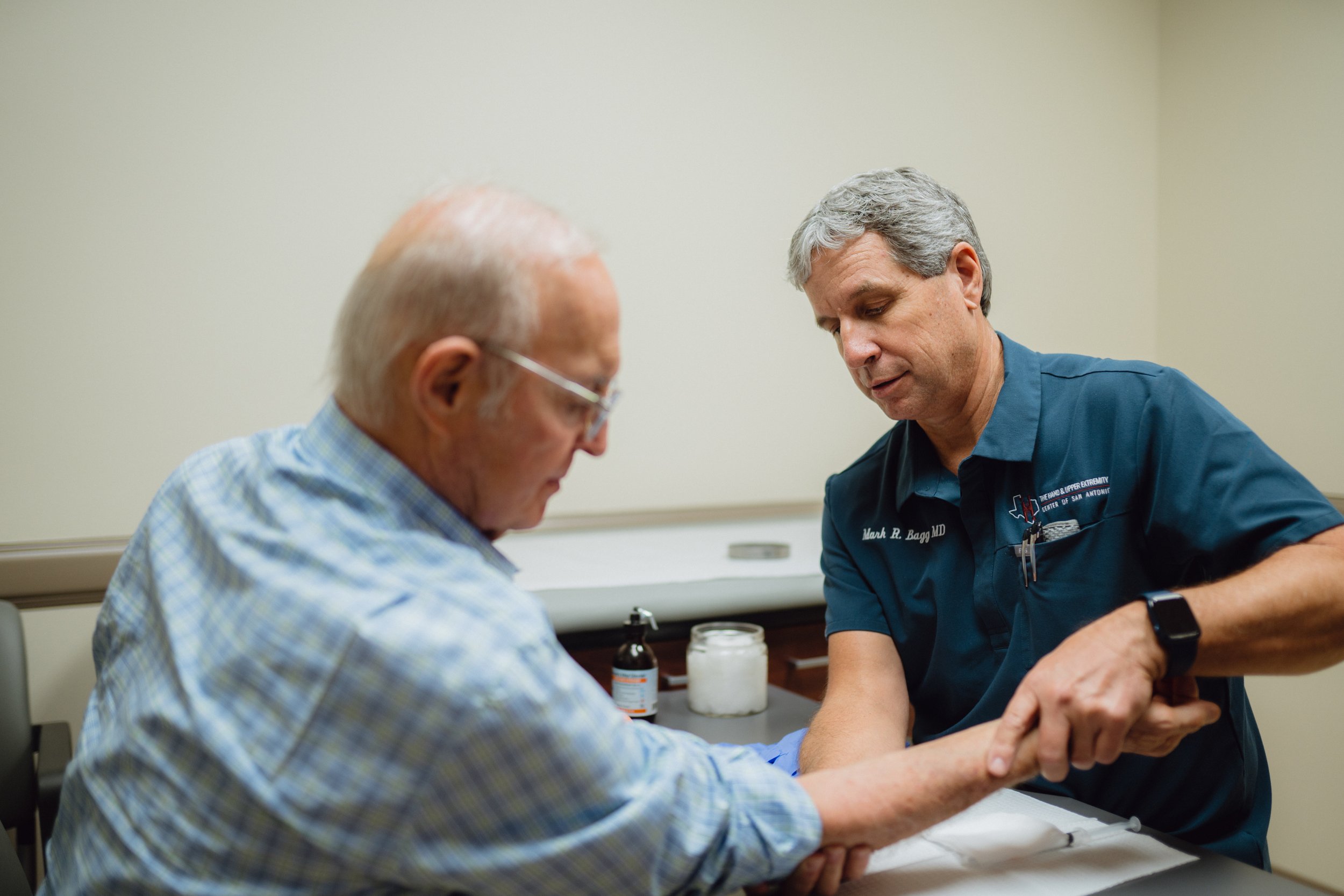
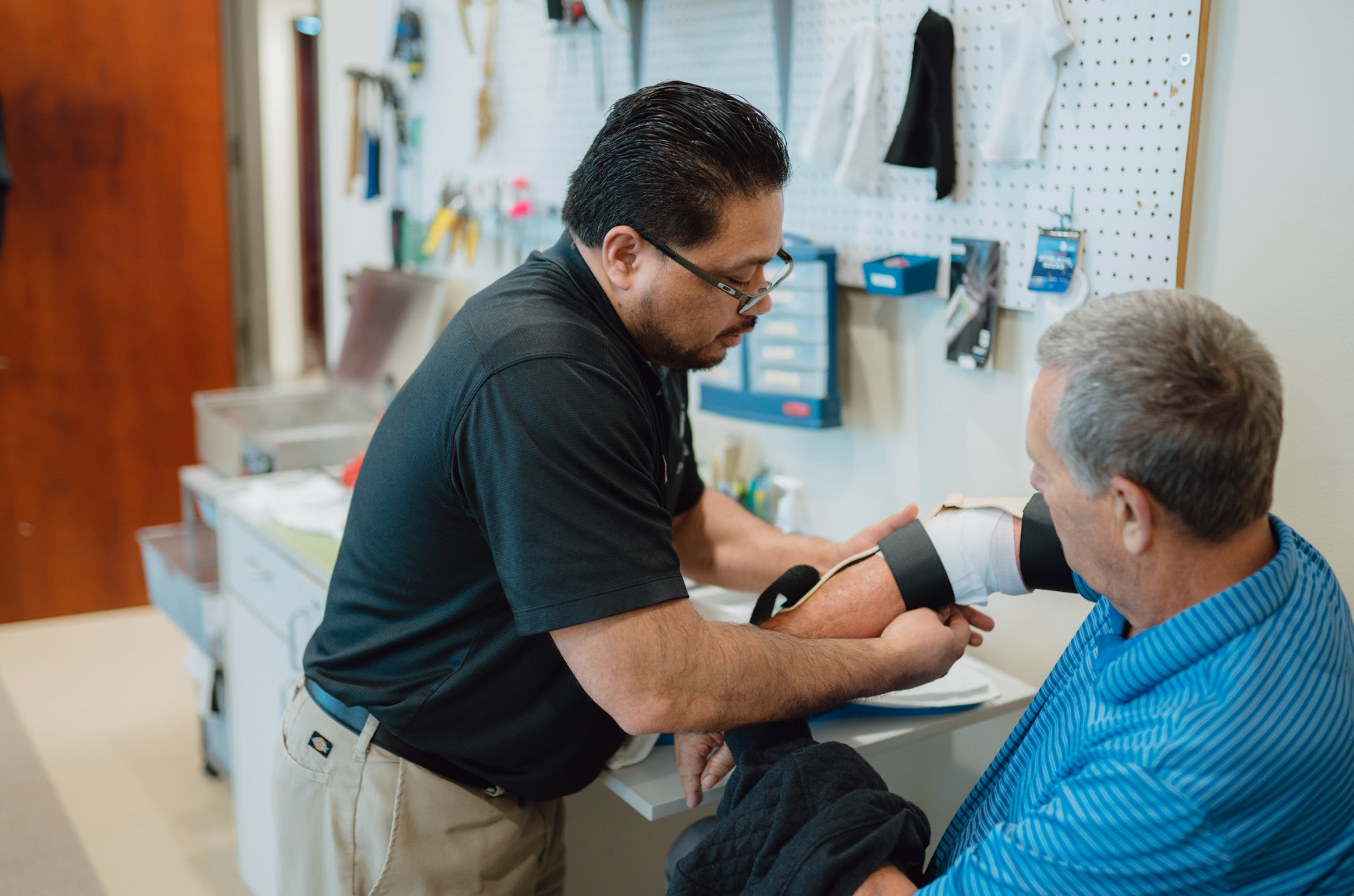
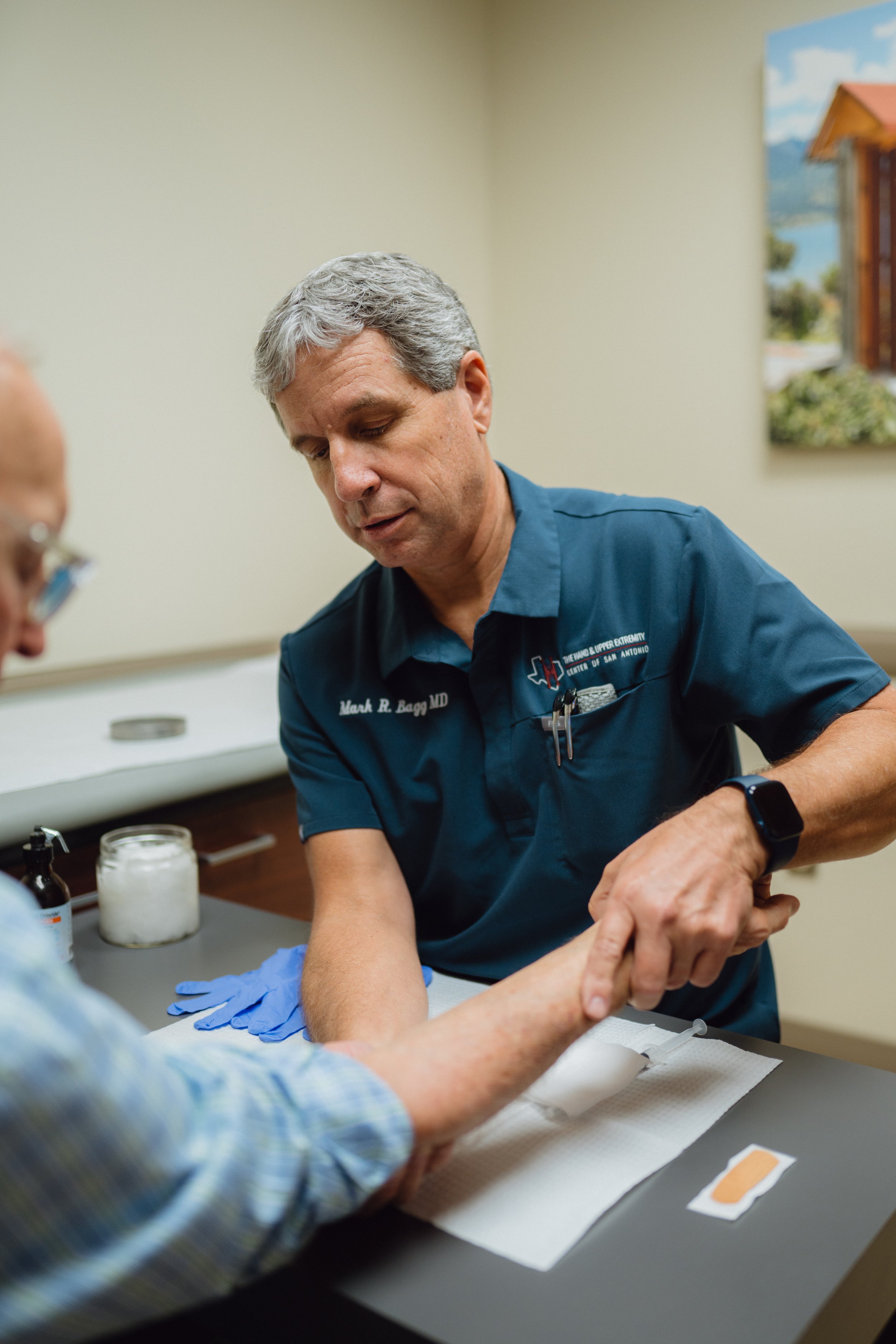
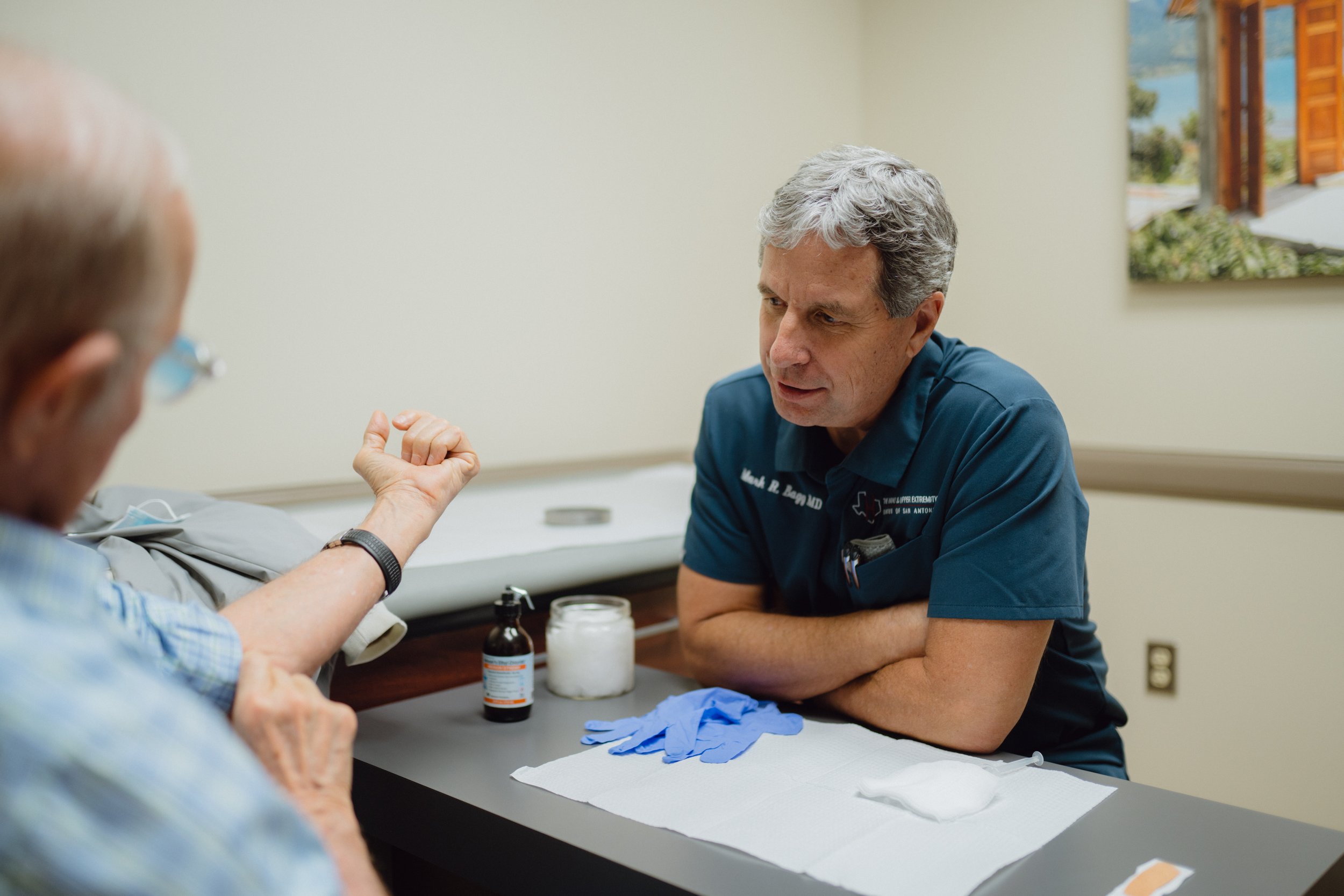
When you visit us at The Hand and Upper Extremity Center of San Antonio, you will find a fine-tuned team ready to take care of you. Your physicians have over 100 years of collective experience and represent multiple generations and training backgrounds. In addition to your surgeons, you may meet one of our hand surgery fellows. Each fellow is a fully trained orthopaedic or plastic surgeon who has completed 5 to 7 years of surgical training after graduation from medical school and has chosen to spend an additional year in training to study hand surgery. In addition to the physicians, you will meet various staff members. From the front desk staff and Medical Assistants (MA’s) to the x-ray and cast technicians, everyone is committed to ensuring your comfort and a seamless treatment experience as you recover from your elbow pain.
Meet Our Physicians
-
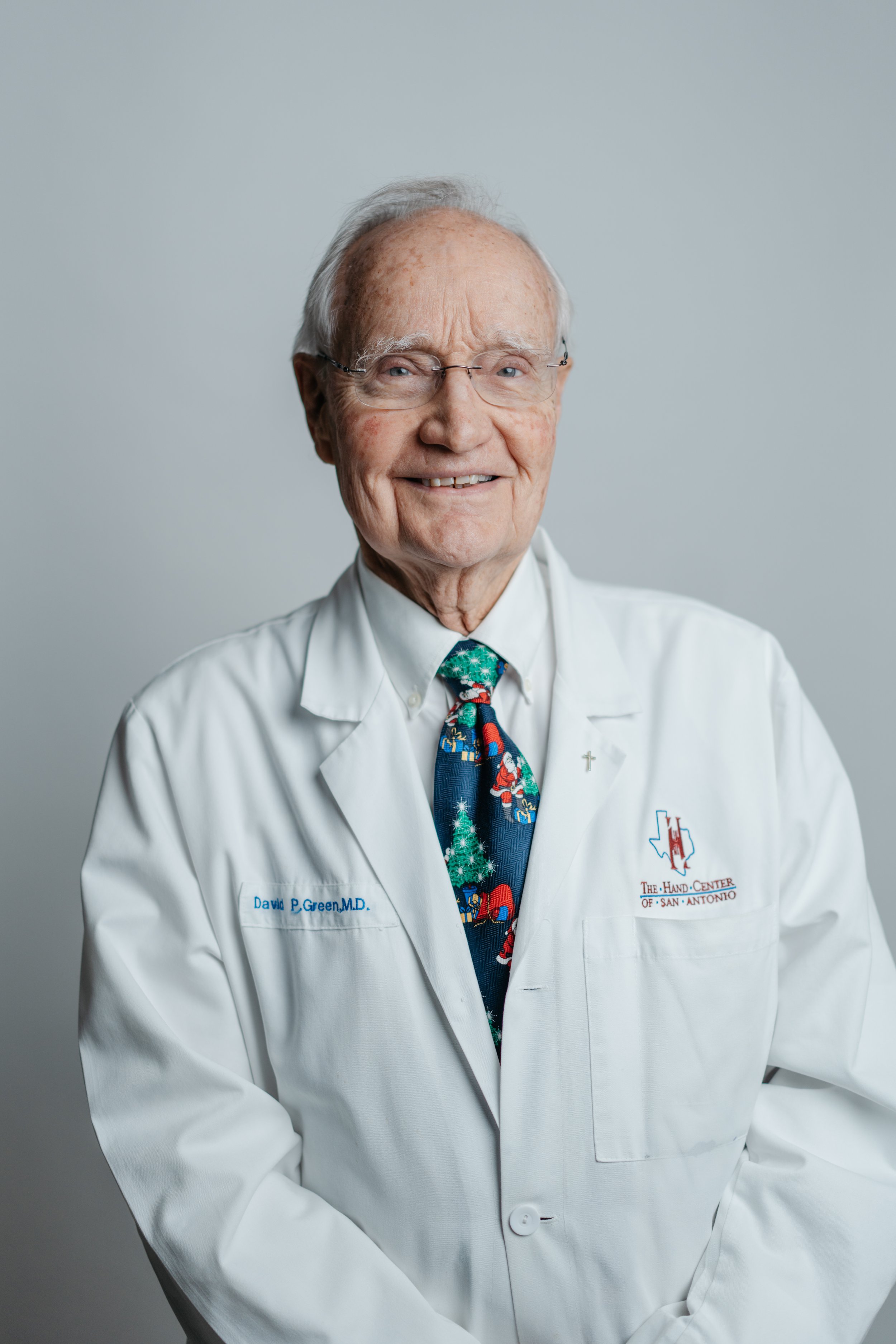
David P. Green, M.D.
-

Mark Bagg, M.D.
-

David W. Person, M.D., F.A.C.S.
-

Ramesh C. Srinivasan, M.D.
Frequently Asked Questions About elbow pain in San Antonio
-
Elbow pain can result from overuse injuries, tendonitis, arthritis, fractures, nerve compression, sports injuries, or repetitive motions. Common conditions include tennis elbow, golfer's elbow, and elbow arthritis.
-
You should seek evaluation if your elbow pain persists for more than a few days, worsens over time, limits your range of motion, causes weakness or numbness, or interferes with daily activities.
-
Yes. Many elbow conditions respond well to conservative treatments such as rest, bracing, anti-inflammatory medications, injections, and Certified Hand Therapy. Surgery is typically reserved for severe injuries or cases that do not improve with non-surgical care.
-
Treatment options vary depending on the cause of your symptoms and may include activity modification, splinting or bracing, therapy, injections, minimally invasive procedures, or surgical intervention when necessary.
Elbow Related Issues we can help with
Elbow Stiffness
Heterotopic Ossification



check out our latest blog posts regarding Elbow injuries
Did you know we offer in-house therapy for elbow pain?
Hand therapy is a merging of occupational and physical therapy theory and practice that combines comprehensive knowledge of the structure of the upper limb with function and activity. Using specialized skills in assessment, planning and treatment, hand therapists provide therapeutic interventions to prevent dysfunction, restore function and/or reverse the progression of pathology of the upper limb in order to enhance an individual’s ability to execute tasks and to participate fully in life situations.

