

Why Does My Elbow Hurt When I Bend It?
If you've noticed elbow pain while bending your arm, you're not alone. Whether the discomfort started suddenly or has gradually worsened over time, elbow pain can make simple activities like lifting groceries, typing, exercising, or even getting dressed more difficult.
The good news is that understanding the cause of your symptoms is the first step toward finding relief. In this guide, we'll discuss common reasons your elbow may hurt when bending it, the different types of elbow pain, and when it's time to see an elbow specialist in San Antonio.
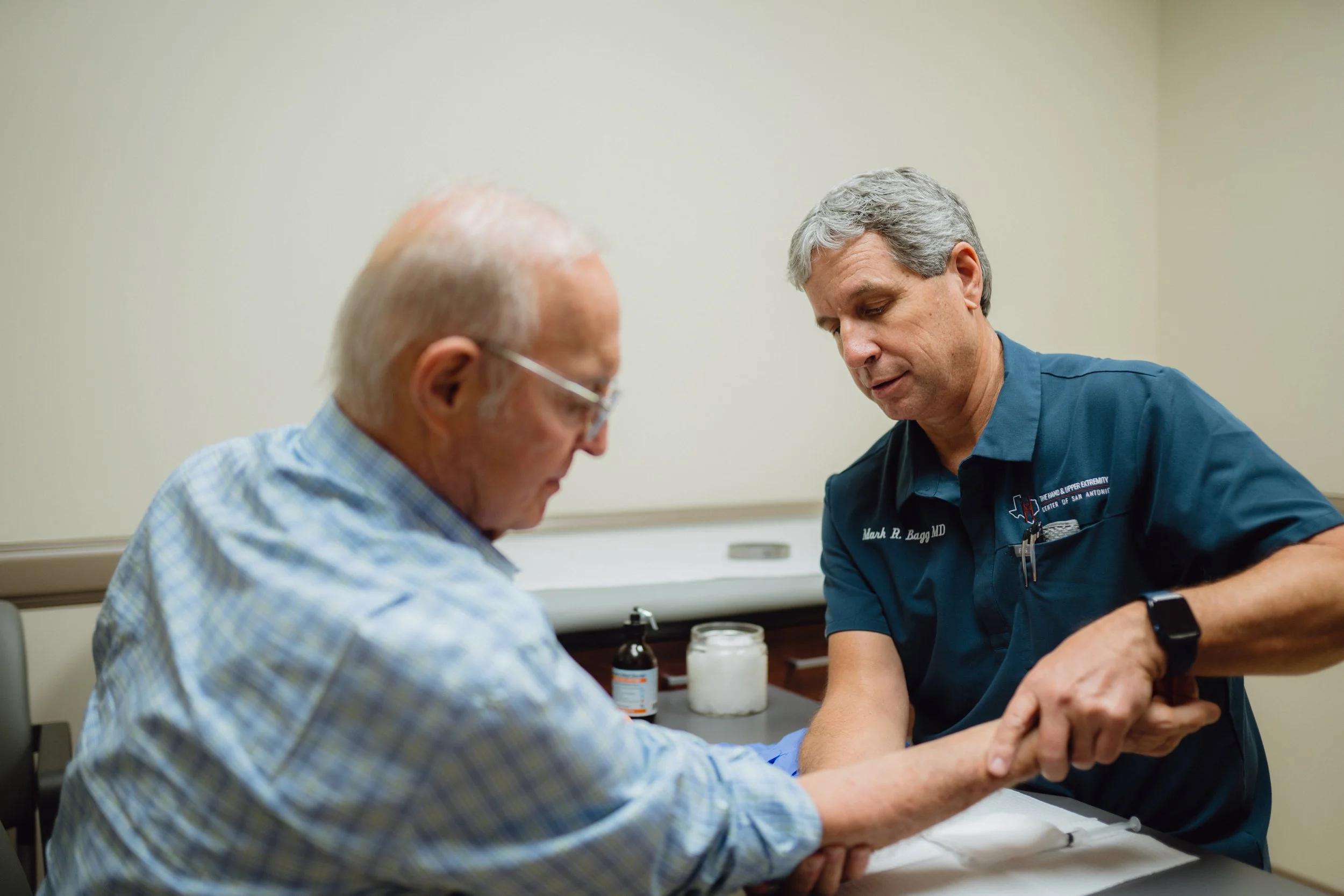
What Causes Elbow Pain While Bending?
The elbow is a complex joint made up of bones, ligaments, tendons, muscles, and nerves. When any of these structures become injured or inflamed, bending the elbow can become painful.
Some of the most common causes include:
Tennis Elbow (Lateral Epicondylitis)
Tennis elbow occurs when the tendons on the outside of the elbow become irritated due to repetitive motions. Despite its name, it affects many people who have never played tennis.
Common symptoms include:
Pain on the outside of the elbow
Discomfort when gripping objects
Weakness in the hand and wrist
Increased pain when bending or extending the arm
Golfer's Elbow (Medial Epicondylitis)
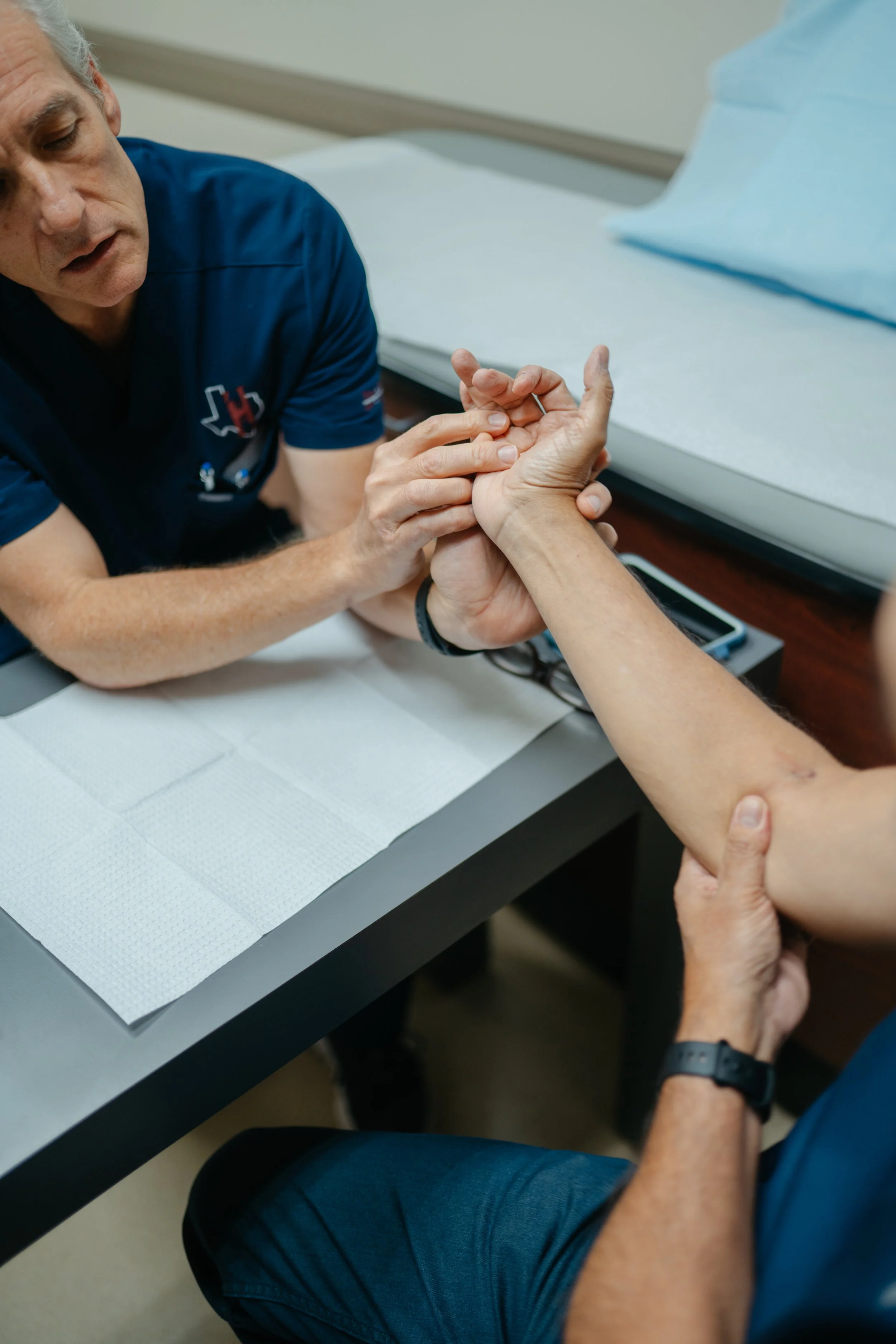
Golfer's elbow affects the tendons on the inside of the elbow and is often caused by repetitive wrist and forearm movements.
Symptoms may include:
Pain on the inside of the elbow
Tenderness along the forearm
Stiffness when bending the elbow
Weak grip strength
Elbow Tendonitis
Tendonitis occurs when tendons become inflamed due to overuse, repetitive strain, or injury.
Symptoms may include:
Aching pain during movement
Swelling around the joint
Tenderness to the touch
Pain that worsens when bending the elbow
Biceps Tendinitis
The distal biceps tendon attaches the biceps muscle to the forearm near the front of the elbow. Repetitive lifting, heavy gripping, or a sudden forceful motion can irritate or strain this tendon, causing pain that's often most noticeable when bending the elbow against resistance.
Common symptoms include:
Pain at the front of the elbow that may radiate into the forearm
Discomfort when lifting, rotating the forearm, or bending the arm
Mild swelling near the front of the elbow
A feeling of weakness when bending the elbow
Elbow Arthritis
Arthritis can wear down the cartilage inside the elbow joint, leading to pain and stiffness.
Common signs include:
Joint stiffness
Grinding or clicking sensations
Limited range of motion
Pain when bending or straightening the arm
Bursitis
The olecranon bursa is a small fluid-filled sac that cushions the elbow joint. When it becomes inflamed, it can cause noticeable swelling and pain.
Symptoms include:
Swelling at the tip of the elbow
Tenderness
Pain when moving the joint
Warmth or redness around the area
Elbow Fractures or Dislocations
A fall or direct impact can damage the bones and joints of the elbow.
Warning signs include:
Severe pain
Bruising
Swelling
Difficulty bending the elbow
Visible deformity
Without proper wrist pain management, tendonitis can become chronic and interfere with daily tasks.
Understanding the Different Types of Elbow Pain
The location and type of elbow pain can provide important clues about the underlying problem.
Pain on the Outside of the Elbow - Often associated with tennis elbow, this type of pain commonly develops from repetitive gripping, lifting, or wrist movements.
Pain on the Inside of the Elbow - Frequently linked to golfer's elbow, this pain is often felt during activities that involve twisting, throwing, or repetitive wrist flexion.

Sharp Pain While Bending - Sharp pain may indicate a tendon injury, ligament injury, nerve irritation, or an acute injury that requires evaluation.
Aching or Stiff Elbow Pain - This type of elbow pain is commonly associated with arthritis, overuse injuries, or chronic inflammation.
Pain Accompanied by Numbness or Tingling - If your elbow pain is combined with numbness, tingling, or weakness in the hand, a nerve condition such as cubital tunnel syndrome may be the cause.
How to Relieve Elbow Pain
Many patients want to know how to relieve elbow pain without surgery. The best treatment depends on the underlying cause, but several conservative options may help.
Rest and Activity Modification - Reducing repetitive activities allows irritated tendons and soft tissues time to heal.
Ice Therapy - Applying ice for 15 to 20 minutes several times per day can help reduce inflammation and discomfort.
Anti-Inflammatory Medications - Over-the-counter medications may help relieve pain and swelling when used as directed.
Bracing or Support - Certain elbow braces can reduce stress on injured tendons and improve comfort during daily activities.
Hand and Upper Extremity Therapy - Specialized therapy can improve flexibility, strength, and function while addressing the root cause of the pain.
Medical Evaluation - If symptoms persist, worsen, or interfere with your daily life, a comprehensive evaluation may be necessary to determine the exact source of your elbow pain.
When Should You See an Elbow Specialist?
While minor elbow soreness may improve with rest, you should schedule an evaluation if you experience:
Pain lasting longer than a few weeks
Difficulty bending or straightening the elbow
Weakness in the arm or hand
Swelling that does not improve
Numbness or tingling
Pain after an injury or fall
Early diagnosis often leads to more effective treatment and can help prevent long-term complications.

Expert Elbow Care in San Antonio
At The Hand & Upper Extremity Center of San Antonio, our fellowship-trained physicians specialize in diagnosing and treating a wide range of elbow conditions. From tendonitis and arthritis to fractures, nerve conditions, and sports injuries, we provide personalized treatment plans designed to relieve pain and restore function.
If you're experiencing elbow pain while bending your arm, our team can help identify the cause and recommend the most effective treatment options.
Schedule an appointment with an elbow specialist in San Antonio today and take the first step toward lasting relief.