

Labral Repair Surgery in san antonio
Minimally invasive arthroscopic labral repair shoulder surgery from board-certified shoulder specialists with over 100 years of collective experience.
-
100+
Years Collective Experience
-
4
Board-Certified Surgeons
-
1-2 hrs
Typical Surgery Duration
-
Outpatient
Go Home The Same Day
Understanding your Shoulder injury
What Is the shoulder Labral?
The labrum is a ring of cartilage that lines the socket of the shoulder joint, helping keep the ball of the upper arm bone securely seated in place. It deepens the socket and provides stability for nearly every overhead and rotational movement the shoulder makes.
When the labrum tears, whether from a single traumatic injury or gradual wear, the shoulder can become unstable, painful, and prone to popping or catching sensations. Labral tears are commonly seen in athletes who throw, swim, or lift overhead, as well as in patients who fall onto an outstretched arm or experience a shoulder dislocation.
Common Symptoms of a Labral Tear
Many patients do not realize they have a labral tear until pain or instability begins interfering with daily activities or sports, with symptoms such as:
Deep Shoulder Pain - Often felt with overhead motion, throwing, or reaching behind the back.
Catching or Locking - A sensation of the shoulder catching, locking, or grinding during movement.
Instability - A feeling that the shoulder is loose or may slip out of place.
Decreased Strength - Difficulty with lifting, throwing, or overhead activity.
Popping Sensation - Audible or felt popping with certain shoulder positions.

Common causes include:
Traumatic shoulder dislocation
Repetitive overhead sports (throwing, swimming, tennis, volleyball)
Falls onto an outstretched arm
Age-related wear and degeneration
Heavy lifting or sudden pulling motions
How Long Is Labral Repair Surgery?
One of the first questions many patients have is, "How long does shoulder labral repair surgery take?"
While every procedure is tailored to the individual, most arthroscopic labral repairs are completed in about one to two hours. The exact length of surgery depends on the severity of the injury and whether any additional procedures are required.
Surgical time may vary based on factors such as:
The type and location of the labral tear (anterior, posterior, or SLAP)
The size and extent of the damage
Whether the rotator cuff or biceps tendon also requires treatment
The need for additional procedures to restore shoulder stability
Because arthroscopic labral repair is typically performed as an outpatient procedure, most patients are able to return home the same day.
What Happens During Rotator Cuff Surgery?
One | Small incisions are made
The surgeon makes several tiny incisions around the shoulder to allow specialized arthroscopic instruments to be inserted.
Two | Arthroscope is inserted
An arthroscope uses a small camera to provide a clear view of the labrum and surrounding shoulder structures.
Three | The Torn Tendon is repaired
Using small suture anchors, the torn labrum is reattached to the rim of the shoulder socket to restore stability and function.
FOur | Additional issues addressed
Any damage to the biceps tendon, rotator cuff, cartilage, or other shoulder structures can often be repaired during the same surgery.

Meet your SHOULDER Specialist
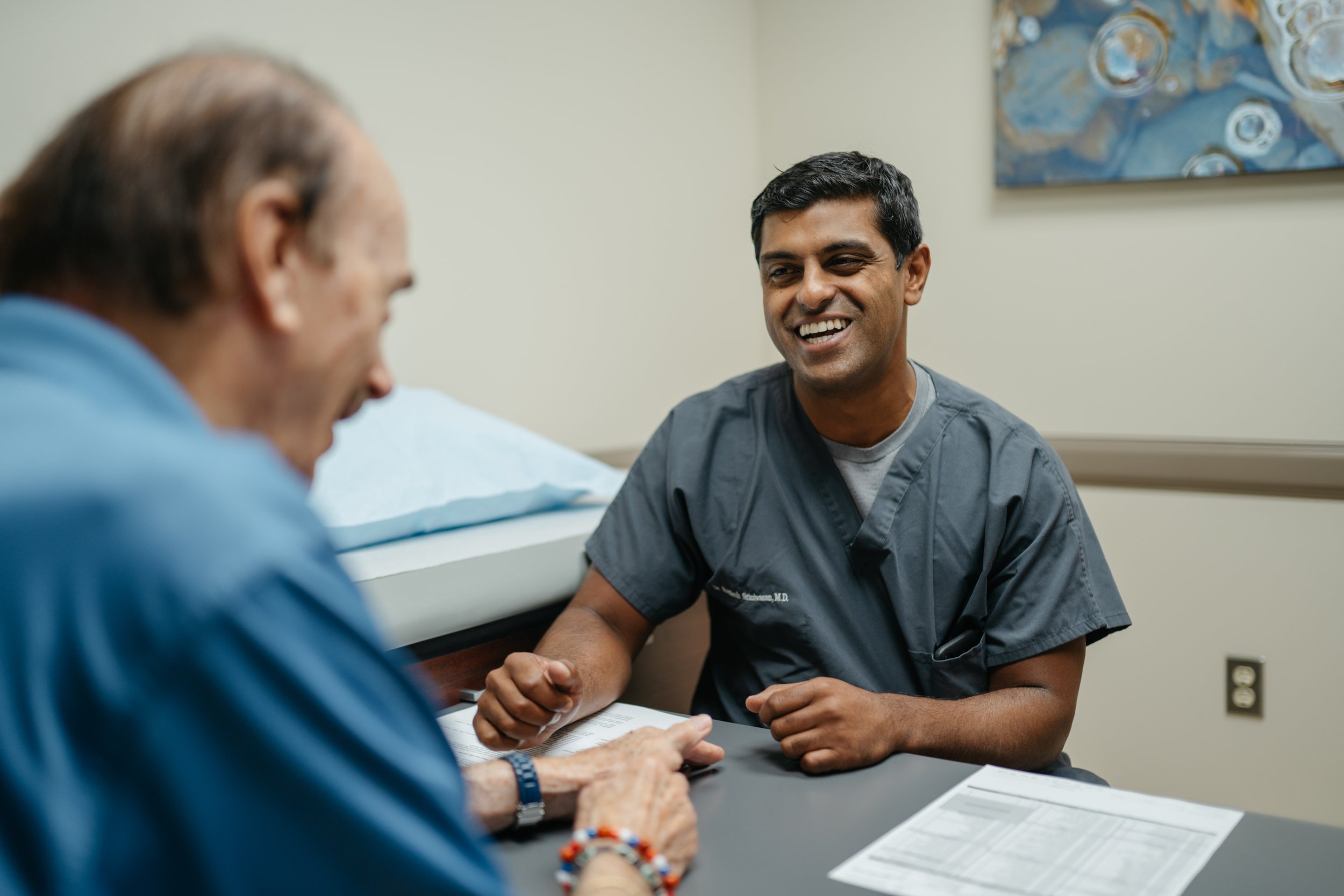
Dr. Ramesh Srinivasan
Fellowship-Trained, Board Certified Orthopedic Surgeon | 2026 Castle Connolly Top Doctor & Top AAPI Doctor
Dr. Srinivasan is a specialist in treating shoulder, elbow, and hand injuries with vast experience in both arthroscopic and open techniques for rotator cuff, labrum, cartilage, and ligament injuries, as well as shoulder replacement. He is dedicated to helping patients of all ages and abilities return to their favorite activities, from daily tasks to competitive sports.
why come to The Hand and Upper Extremity Center of San Antonio for your Rotator Cuff Surgery?
When you visit us at The Hand and Upper Extremity Center of San Antonio, you will find a fine-tuned team ready to take care of you. Your physicians have over 100 years of collective experience and represent multiple generations and training backgrounds. In addition to your surgeons, you may meet one of our shoulder surgery fellows, each a fully trained orthopaedic or plastic surgeon who has chosen to spend an additional year studying shoulder surgery. From the front desk staff and medical assistants to our x-ray and cast technicians, every team member is committed to your care.
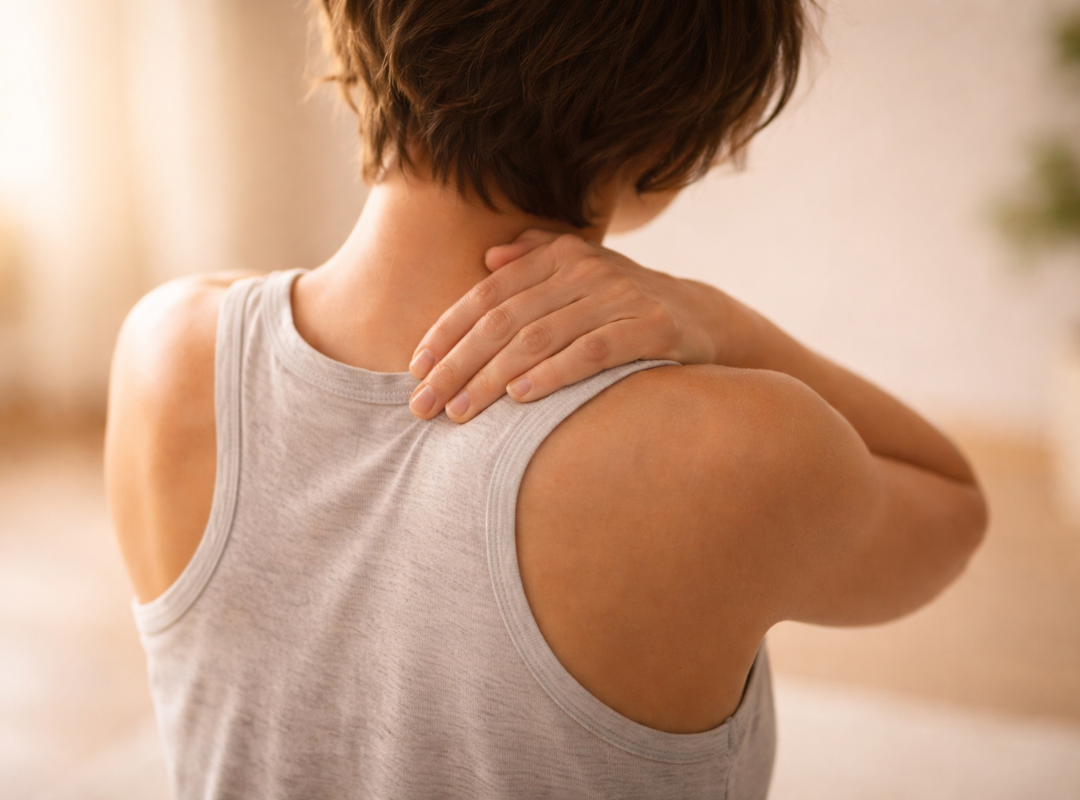
Shoulder Pain Holding You Back?
Find out if labral tear surgery is the right solution for your shoulder pain and instability.
-
The Hand & Upper Extremity Center of San Antonio specializes in the diagnosis and surgical repair of labral tears. Our fellowship-trained shoulder specialist, Dr. Ramesh Srinivasan, sees patients at our San Antonio office at 21 Spurs Lane, Suite 248. We accept most major insurance plans and offer same-day consultations for patients experiencing shoulder pain or instability.
-
Yes, we regularly see patients from across the greater San Antonio region, including New Braunfels, Schertz, Converse, Seguin, and Boerne. Our office is conveniently located in the medical district near Loop 410, making us easily accessible from most parts of the metro area. If you're traveling from farther away, we'll work to consolidate your visits and can offer telemedicine follow-ups when appropriate.
-
Most labral repairs performed at our San Antonio practice take between one and two hours, depending on the size and location of the tear. In nearly all cases, patients return home the same day, labral repair shoulder surgery is an outpatient procedure.
-
Recovery from labral repair surgery typically takes 4 to 6 months, though full return to overhead sports can take up to a year. At our San Antonio practice, we guide every patient through a structured recovery plan, starting with sling immobilization and protection, followed by supervised physical therapy through our in-house shoulder therapy team. Your surgeon will provide a personalized recovery timeline at your consultation.
-
Not every labral tear requires surgery. Some patients, particularly those with smaller or stable tears, improve with physical therapy, activity modification, and anti-inflammatory treatment. Surgery is typically recommended when the tear causes ongoing instability, catching, or pain that has not responded to conservative treatment, or when the tear involves significant structural damage. Dr. Srinivasan performs a thorough evaluation, including imaging, before recommending any surgical approach.
-
We accept most major insurance plans at our San Antonio office, including Aetna, Blue Cross Blue Shield, Cigna, Humana, Medicare, TriCare, and United Healthcare. Our team will verify your coverage before your procedure so there are no surprises. For out-of-pocket costs, we also offer CareCredit financing.
-
Return to sports depends on the type of tear and the demands of the activity. Many patients begin light, non-contact activity around 4 months, with a return to throwing, swimming, or overhead sports typically between 6 and 12 months. Dr. Srinivasan will give you a personalized return-to-sport timeline based on your specific repair and activity goals.
Frequently Asked Questions About Labral Repair Surgery
Meet Our Physicians
-
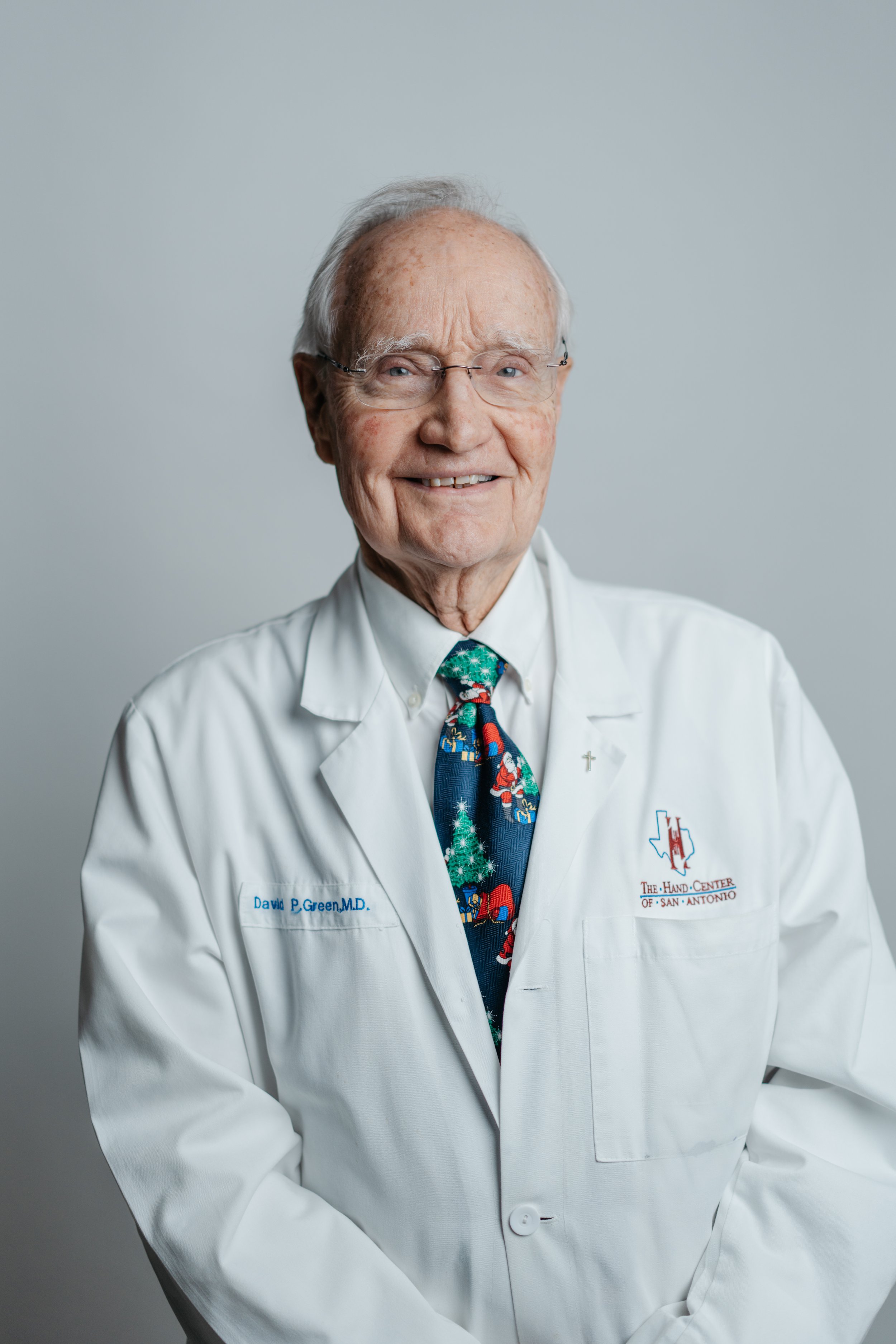
David P. Green, M.D.
-

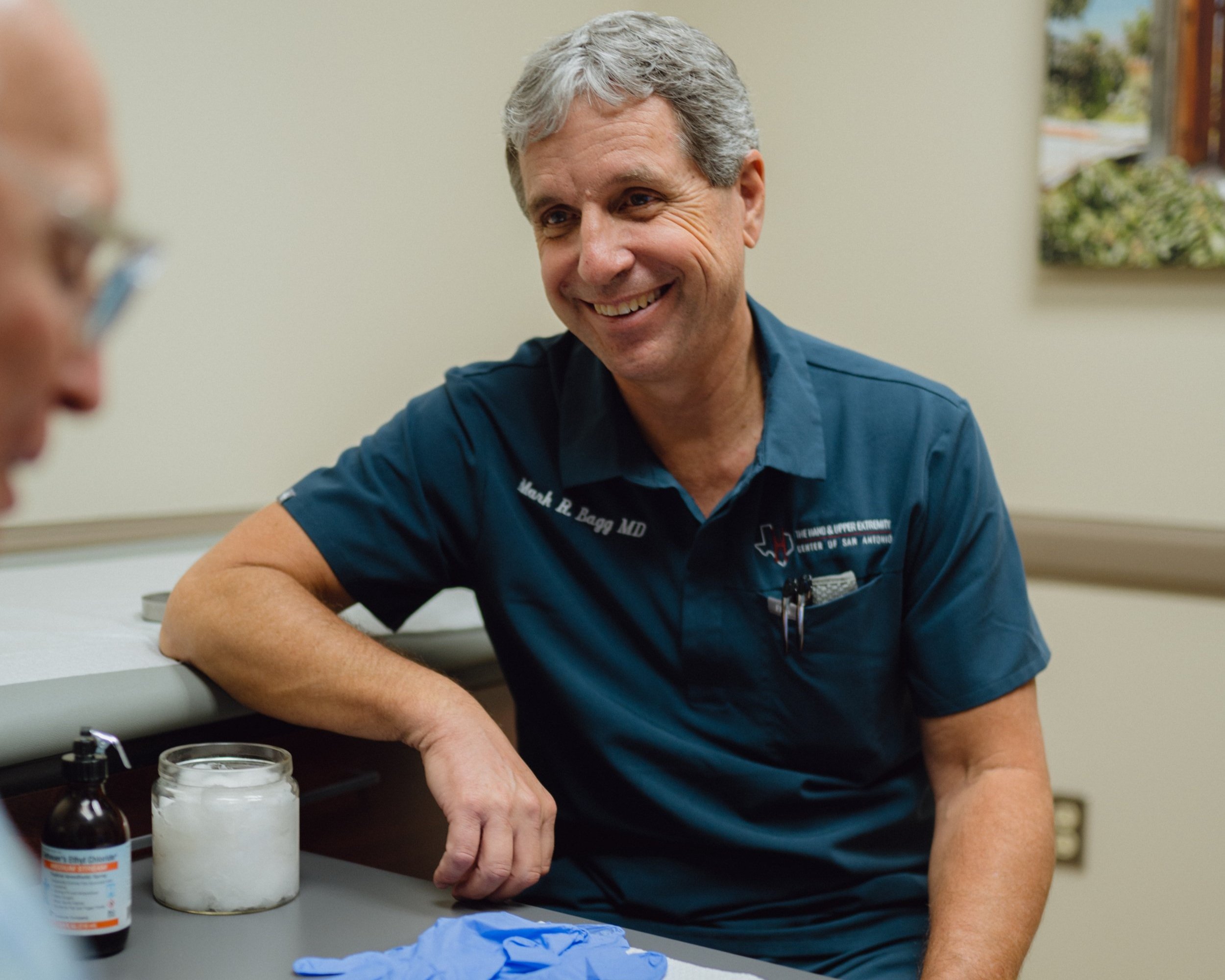
Mark Bagg, M.D.
-

David W. Person, M.D., F.A.C.S.
-

Ramesh C. Srinivasan, M.D.
OTHER Shoulder RELATED ISSUES WE CAN HELP WITH
check out our latest blog posts regarding shoulder injuries